Book From Our Experts In The Most Convenient Manner
Result displayed for : Diastasis Recti(Abdominal separation)
Your Location :
(10 Hrs experts are not available, Plz book for 24 Hrs experts.)
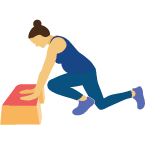

Postnatal physiotherapy can usually begin a few weeks after delivery, depending on how the mother is feeling and how the birth went. Some gentle breathing and recovery exercises may be started early, while more active therapy is introduced gradually.
It is always best to begin under professional guidance so the body heals safely and comfortably without strain.
No, postnatal physiotherapy is helpful for all mothers, not just those who had complicated births or C-sections. Even after a normal delivery, the body goes through significant physical changes.
Physiotherapy helps improve posture, core strength, pelvic floor health, and overall recovery, making daily movements and baby care easier.
Yes, postnatal physiotherapy is especially beneficial after a C-section. Once the doctor gives clearance, physiotherapy helps in gentle recovery, scar healing, and regaining strength safely.
Exercises are carefully designed to protect the incision area while improving mobility, reducing pain, and supporting long-term recovery.
Postnatal physiotherapy is medically guided and personalized, focusing on healing rather than fitness alone. It addresses specific post-pregnancy issues such as pelvic floor weakness, back pain, abdominal separation, and posture changes.
Regular workouts may not consider these recovery needs, while physiotherapy ensures the body heals properly before returning to general exercise.
No, postnatal physiotherapy is helpful for all mothers, not just those who had complicated births or C-sections. Even after a normal delivery, the body goes through significant physical changes.
Physiotherapy helps improve posture, core strength, pelvic floor health, and overall recovery, making daily movements and baby care easier.