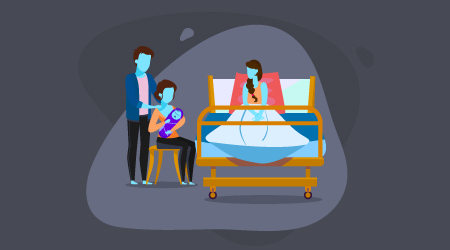
Gentle postnatal yoga may help you rebuild comfort, posture and calm after a C-section, but it should begin only when your doctor says you are ready. A C-section is major abdominal surgery and recovery takes time, so the early focus is breathing, short walks and rest, not strong exercise. Our live online postnatal yoga classes begin with a check-in about your delivery, scar healing and your doctor’s advice, then offer slow, supported movement and breath practice, adjusted as you recover.
The right time depends on your incision healing, recovery and any complications. Gentle movements and short walks may be encouraged early in recovery, but structured yoga—especially poses that engage the abdomen—should be started only when your doctor says it is appropriate. Your postnatal check-up is a good opportunity to discuss when and how to begin.
Yes, postnatal yoga may be suitable once your healthcare professional has cleared you for the relevant activities. Start with a gentle, recovery-appropriate routine rather than returning directly to your pre-pregnancy practice. Stop if you experience pain, pulling around the incision, dizziness or increased bleeding, and seek medical advice if symptoms persist or worsen.
A C-section is major abdominal surgery and recovery takes time, so the early focus is breathing, short walks and rest, not strong exercise.
We avoid deep twists, strong abdominal work such as crunches and planks, deep backbends, and lifting anything heavier than your baby until your doctor clears you. Stop and tell your instructor if you feel pain, pulling at the scar, dizziness or more bleeding.
Featured Postnatal Yoga Experts / Trainers
The right time depends on your incision healing, recovery and any complications. Gentle movements and short walks may be encouraged early in recovery, but structured yoga—especially poses that engage the abdomen—should be started only when your doctor says it is appropriate. Your postnatal check-up is a good opportunity to discuss when and how to begin.
Yes, postnatal yoga may be suitable once your healthcare professional has cleared you for the relevant activities. Start with a gentle, recovery-appropriate routine rather than returning directly to your pre-pregnancy practice. Stop if you experience pain, pulling around the incision, dizziness or increased bleeding, and seek medical advice if symptoms persist or worsen.
The most appropriate practice depends on your stage of recovery. Once cleared, a postnatal yoga programme may introduce comfortable breathing, gentle mobility, posture awareness and gradual movement. Abdominal strengthening and more demanding poses should be added only when appropriate for your recovery. A qualified postnatal instructor can help adapt the practice to your comfort and your doctor's advice.
There is no single list that applies to every mother at every stage of recovery. Until you have been cleared for them, avoid strenuous poses and movements that place significant pressure on your abdomen, stretch the healing incision uncomfortably or cause pain. This may include crunches, planks, deep twists and intense backbends. Follow your clinician's restrictions rather than relying on a general online pose list.
Yoga cannot remove a C-section scar or guarantee a flatter stomach. Gentle, appropriate movement may support mobility, posture and general physical wellbeing as you recover. If you are concerned about scar appearance, tenderness, tightness or abdominal muscle separation, ask your healthcare professional about appropriate assessment and scar care before trying targeted exercises.
Breastfeeding and postnatal yoga can often fit together once you are ready for exercise. Choose comfortable positions, wear a supportive bra and consider feeding your baby or expressing milk before a session if your breasts feel full. Keep water nearby and let your instructor know if feeding positions, back discomfort or breast tenderness affect your movement.
Start with a level of activity that your healthcare professional has approved and that feels comfortable for your current recovery stage. Short, gentle sessions may be more manageable than long workouts. Increase duration and intensity gradually rather than following a fixed weekly target, and stop if you develop pain, increased bleeding or other concerning symptoms.
Contact your healthcare professional promptly if you develop fever, worsening incision redness or swelling, pus or foul-smelling wound discharge, heavy vaginal bleeding or severe or increasing pain. Seek emergency care for chest pain, sudden difficulty breathing or fainting. Pain or swelling in one leg also needs urgent medical assessment because it can indicate a blood clot.


Select your health concern
Go to Experts Listing
Select Service provider of your choice
Login/Sign up to make payment
Get Response and Avail Consultation