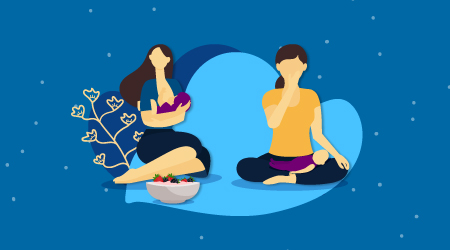
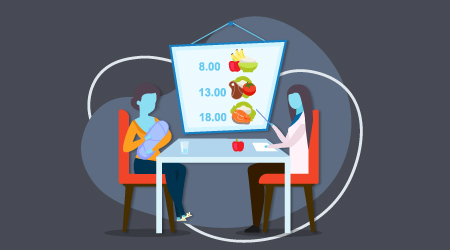
Back, neck and shoulder aches are very common in the months after birth. Carrying and feeding a baby, broken sleep and a recovering core all add strain. Gentle postnatal yoga may ease everyday stiffness by improving posture and mobility, but it is not a treatment for back pain, and it should start only when your doctor has cleared you. Our live online classes look at how you sit to feed, how you lift and carry your baby, and how your back feels, then guide short, supported movements you can fit between feeds.
Back pain after childbirth can be related to pregnancy-related postural changes, reduced core strength, and the physical demands of carrying, feeding and settling your baby. Prolonged sitting and bending forward while breastfeeding may also contribute to discomfort. If your pain is severe, persistent or unusual, consult your healthcare provider to identify the cause.
Gentle postnatal yoga may help ease everyday muscle stiffness, improve body awareness and support better posture after childbirth. Breathing exercises, gentle mobility and appropriately modified stretches may help you move more comfortably. However, yoga is not a substitute for medical assessment or physiotherapy when back pain has an underlying cause.
We avoid heavy lifting, deep twists, strong backbends and long holds until your core and pelvis feel stable, and we ask you to stop if pain increases.
Featured Postnatal Yoga Experts / Trainers
Back pain after childbirth can be related to pregnancy-related postural changes, reduced core strength, and the physical demands of carrying, feeding and settling your baby. Prolonged sitting and bending forward while breastfeeding may also contribute to discomfort. If your pain is severe, persistent or unusual, consult your healthcare provider to identify the cause.
Gentle postnatal yoga may help ease everyday muscle stiffness, improve body awareness and support better posture after childbirth. Breathing exercises, gentle mobility and appropriately modified stretches may help you move more comfortably. However, yoga is not a substitute for medical assessment or physiotherapy when back pain has an underlying cause.
The right time depends on your delivery, recovery and symptoms. Ask your healthcare provider when you can begin structured exercise, especially after a C-section, complicated delivery or significant postpartum pain. Once cleared, start with gentle movements and gradually increase the duration and intensity according to your comfort.
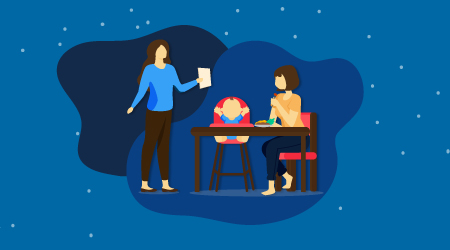
Sit with your back supported and your feet resting comfortably on the floor or a footstool. Use pillows to support your baby and your arms, and bring your baby towards your breast instead of leaning forward. Change positions when needed and avoid staying in one posture for long periods.
Avoid or modify movements that increase your pain, strain your abdomen or make you feel unstable. Deep twists, strong backbends and demanding core exercises may need to be postponed depending on your recovery. There is no universal list of poses that every new mother must avoid, so choose movements suited to your symptoms and postpartum stage.
Yes, postnatal yoga may be appropriate after a C-section once your healthcare provider has cleared you for exercise. Begin with gentle, comfortable movements and avoid exercises that cause pain, excessive abdominal strain or pulling around your incision. If you have persistent scar pain or worsening back pain, seek professional advice before continuing.
Start with short, gentle sessions and increase gradually as your recovery and comfort allow. Even a few minutes of appropriate movement can be a practical starting point when caring for a newborn. There is no single ideal duration for everyone; consistency, correct technique and avoiding movements that worsen symptoms are more important than forcing a long session.
Gentle mobility exercises, breathing and posture awareness may help ease stiffness associated with feeding and carrying your baby. Supporting your arms, keeping your shoulders relaxed and bringing your baby closer to you can also reduce unnecessary strain. If the pain persists, radiates down your arm or causes numbness or weakness, consult a healthcare professional.
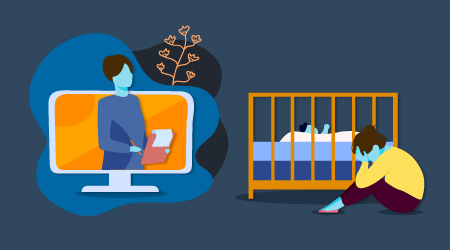
Online postnatal yoga may be an option once you have been cleared for exercise and your symptoms have been considered. Choose sessions with postpartum-appropriate modifications and clear guidance on movement and posture. If a movement increases your pain, stop rather than pushing through it, and seek professional advice if symptoms continue.
Seek medical advice if your back pain is severe, persistent or worsening. Urgent assessment is needed for new or significant leg weakness, numbness around the groin or saddle area, or loss of bladder or bowel control. Back pain accompanied by fever or feeling seriously unwell also needs prompt medical attention.


Select your health concern
Go to Experts Listing
Select Service provider of your choice
Login/Sign up to make payment
Get Response and Avail Consultation