Many new mothers want to feel strong and comfortable in their bodies again. Gentle postnatal yoga can support strength, energy and a healthy routine once your doctor has cleared you, but it cannot promise a fixed amount of weight loss. Your body took months to change and needs time and rest to recover, especially while breastfeeding. Our live online classes build up slowly from breathing and gentle movement to more strength and stamina, and pair well with a balanced diet. We focus on how you feel, your energy, sleep and mood, not just the weighing scale.
The right time depends on your delivery, recovery and overall health. Consult your healthcare provider before starting a structured exercise programme, particularly after a C-section or a complicated delivery. Once you are cleared, begin with gentle movements and gradually increase the intensity as your body allows.
Postnatal yoga can be part of a regular physical activity routine that supports strength, mobility and overall well-being after childbirth. However, yoga alone cannot guarantee a specific amount of weight loss. Your results may also depend on nutrition, sleep, hormonal changes, daily activity and postpartum recovery.
We do not advise crash diets, detox teas, diet pills or tight belly binders, and we do not promise any weight loss. High-intensity routines are not started before your doctor’s clearance and are built up gradually.
Featured Postnatal Yoga Experts / Trainers
The right time depends on your delivery, recovery and overall health. Consult your healthcare provider before starting a structured exercise programme, particularly after a C-section or a complicated delivery. Once you are cleared, begin with gentle movements and gradually increase the intensity as your body allows.
Postnatal yoga can be part of a regular physical activity routine that supports strength, mobility and overall well-being after childbirth. However, yoga alone cannot guarantee a specific amount of weight loss. Your results may also depend on nutrition, sleep, hormonal changes, daily activity and postpartum recovery.
Postpartum weight changes vary from person to person, and there is no single timeline that suits every mother. Gradual changes are generally preferable to aggressive weight-loss plans, particularly while breastfeeding or recovering from childbirth. Focus on rebuilding strength and energy rather than rushing to reach a particular weight.
Moderate physical activity is generally compatible with breastfeeding for most women. Stay hydrated, eat enough to meet your nutritional needs and avoid restrictive diets that may leave you undernourished. If you notice concerns about your milk supply, feeding or your own recovery, consult your healthcare provider or a qualified lactation professional.
Gentle breathing exercises, comfortable stretches and gradual, modified movements may help you reconnect with your body and build activity back into your routine. The most suitable practice depends on your recovery, sleep and current fitness level. Start slowly, avoid pushing through exhaustion and progress as your comfort and strength improve.
Postnatal yoga may be suitable after a C-section once your healthcare provider has cleared you for exercise and your recovery allows it. Begin with gentle, modified movements and avoid exercises that cause pain, excessive abdominal strain or pulling around the incision. Your return to exercise should be based on healing and symptoms, not a fixed deadline.
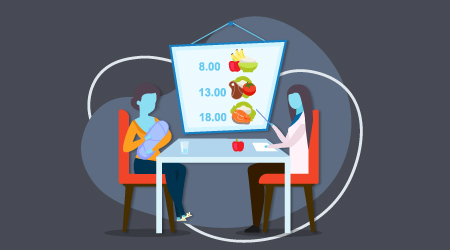
A balanced, nourishing diet can complement postnatal yoga and support recovery, energy and breastfeeding needs. Avoid crash diets, prolonged fasting or severe calorie restriction without professional guidance. An individualised postnatal nutrition plan can help you meet your nutritional needs while working towards sustainable health goals. You can explore Momkidcare’s Postnatal Diet service if it is available.
Gentle movement and breathing exercises may support well-being and help some women feel more active over time. However, persistent postpartum fatigue can also be associated with sleep deprivation, anaemia, thyroid problems, mood changes or other health concerns. If fatigue is severe, persistent or affecting daily activities, consult your healthcare provider rather than relying on exercise alone.
Start with short, gentle sessions that fit your recovery and energy levels, then gradually increase the duration and frequency as you become more comfortable. You do not need to begin with long or intense workouts to build a routine. Consistency, adequate nutrition, rest and appropriate progression are more important than exercising intensely every day.
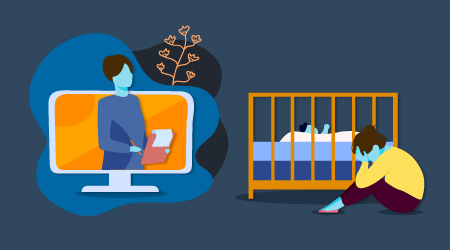
Online postnatal yoga can be a convenient option for mothers who prefer to practise at home while caring for their babies. Choose a programme that accommodates your postpartum recovery stage and provides appropriate exercise modifications. Before joining, confirm the class format, instructor guidance and whether the sessions are suitable for your current needs.
Avoid jumping straight into intense workouts, high-impact movements or demanding abdominal exercises before your body is ready. Stop or modify any movement that causes pain, increased bleeding, dizziness, pelvic heaviness or abdominal bulging. Your healthcare provider can help you determine when and how to progress safely.
Stop exercising and seek medical advice if you experience heavy or increasing bleeding, persistent dizziness, significant pain or symptoms that worsen with activity. Chest pain, sudden breathlessness or painful swelling in one leg require urgent medical assessment. Seek support if concerns about your weight, eating or body image are causing significant distress.


Select your health concern
Go to Experts Listing
Select Service provider of your choice
Login/Sign up to make payment
Get Response and Avail Consultation