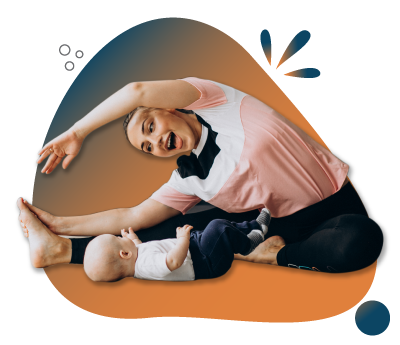
Diastasis recti is a widening of the gap between the stomach muscles that is common after pregnancy. It often narrows over weeks to months, but sometimes it persists. Gentle, core-safe yoga may support your recovery, but it should follow an assessment by a doctor or physiotherapist, and it is not a quick fix for the belly. Our live online classes teach breathing and gentle core engagement, and avoid movements that strain the abdomen. Your instructor adapts each session to what your healthcare provider has found.
Postnatal yoga with suitable modifications may help improve core awareness, breathing coordination and abdominal muscle control after pregnancy. However, results depend on your individual condition, and yoga cannot guarantee that the abdominal separation will close completely. A qualified healthcare professional can help determine the right approach for your recovery.
The right time depends on your delivery, healing and symptoms. Consult your doctor before starting a postnatal exercise programme, especially after a C-section or a complicated delivery. You may begin with gentle breathing and modified movements once you are cleared for exercise, gradually progressing as your body allows.
Diastasis recti often narrows over weeks to months, but sometimes it persists. Gentle, core-safe yoga may support your recovery, but it is not a quick fix for the belly.
We avoid crunches, sit-ups, full planks, boat pose, deep twists and strong backbends, and anything that makes the belly ridge or dome. Stop and tell your instructor if you see doming or feel pulling.
Featured Postnatal Yoga Experts / Trainers
Postnatal yoga with suitable modifications may help improve core awareness, breathing coordination and abdominal muscle control after pregnancy. However, results depend on your individual condition, and yoga cannot guarantee that the abdominal separation will close completely. A qualified healthcare professional can help determine the right approach for your recovery.
The right time depends on your delivery, healing and symptoms. Consult your doctor before starting a postnatal exercise programme, especially after a C-section or a complicated delivery. You may begin with gentle breathing and modified movements once you are cleared for exercise, gradually progressing as your body allows.
Gentle breathing exercises, pelvic movements and carefully modified postnatal exercises may be suitable, depending on your recovery and abdominal muscle function. Exercises should help you maintain controlled breathing without excessive abdominal bulging or straining. A qualified instructor or women’s health physiotherapist can guide you on appropriate modifications.
Avoid or modify exercises that cause your abdomen to bulge or form a ridge along the midline, or that create pain or excessive strain. Crunches, sit-ups and some versions of planks and boat pose may need to be modified or temporarily avoided. The right restrictions vary from person to person, so individual guidance is important.
Postnatal yoga may support core muscle function, posture and overall physical recovery. However, it cannot guarantee a flatter stomach or complete closure of the abdominal separation. Changes in abdominal appearance may also be related to stretched skin, body composition and other postpartum changes.
Yes, postnatal yoga may be an option after a C-section once your healthcare provider has cleared you for exercise and your incision is healing appropriately. Begin with gentle, modified movements and avoid exercises that cause pain, abdominal bulging or pulling around the incision. Seek medical advice if the scar is painful or healing poorly.
There is no fixed recovery timeline. Improvement depends on the degree of separation, abdominal muscle function, symptoms and consistency with an appropriate exercise programme. Some women notice changes over weeks or months, while others need additional physiotherapy. Focus on gradual improvements in strength and function rather than a guaranteed deadline.
Online postnatal yoga may be suitable if you have been cleared for exercise and the sessions can be adapted to your needs. Choose classes that account for your postpartum recovery stage and provide clear guidance on modifications. If you experience pain, increased abdominal bulging or difficulty performing an exercise comfortably, stop and seek professional guidance.
Some women with diastasis recti also experience back discomfort, reduced core strength, urine leakage or pelvic heaviness. These symptoms can have other causes, so they should not automatically be attributed to diastasis recti. An assessment by a qualified healthcare professional can help identify your needs and guide suitable exercises.
Postnatal yoga may be appropriate if you have been medically cleared for exercise and can practise movements without pain or excessive abdominal bulging. If you have a pronounced abdominal bulge, persistent pain, pelvic floor symptoms or concerns about your recovery, consult a doctor or women’s health physiotherapist before joining a class.
Not every woman needs the same level of support. Postnatal yoga may complement a recovery programme, while a women’s health physiotherapist can assess abdominal separation, muscle function and related pelvic floor symptoms. If your symptoms are significant or not improving, professional assessment can help determine whether you need individual rehabilitation.
Stop exercising and seek medical advice if you experience new or worsening abdominal pain, persistent discomfort around your C-section incision or symptoms that worsen during exercise. A painful or tender lump around your abdomen or belly button should be assessed promptly to rule out a hernia. Severe pain or other sudden, concerning symptoms require urgent medical attention.


Select your health concern
Go to Experts Listing
Select Service provider of your choice
Login/Sign up to make payment
Get Response and Avail Consultation